Hong Research GroupDepartment of Battery and Chemical EngineeringHanyang University ERICA

WHAT WE DO

Research

HANA Lab works on hybrid AI which combines the physical and chemical knowledge of chemical engineering with the power of machine learning. We focus on chemical and biological problems where data is scarce and systems are complex. We aim to build AI that knows the laws of physics and can therefore deliver accurate, explainable prediction, interpretation, and design from limited data.

APPROACH

Two Research Directions

Hybrid Modeling

We combine what is known from physical laws with what is learned from data in a single model. Physical knowledge provides the backbone, so the model can be trained with little data. Each part of the model has a clear meaning, which makes the results easy to interpret. Physics for what we know, data for what we don't: models we can trust even with limited data.
Explainable AI

We find the evidence behind each prediction and present it in a form people can understand. Because the reasoning can be checked, the results can be trusted and used in practice. The relationships the AI uncovers can also lead to new scientific hypotheses. We build AI that gives not only answers but also the reasons behind them.

DOMAINS

Research Areas

Bio · Pharma

Bio · Pharma

We work to understand cell culture processes, predict the quality of medicines, and pave the way for manufacturing next-generation medicines.

  • Estimating cell states and optimizing culture conditions with AI that incorporates the principles of cell growth
  • Predicting the quality of medicines and identifying the factors behind it with explainable AI
  • Accelerating process development for new medicines with AI-driven design of experiments
Energy · Manufacturing

Energy · Manufacturing

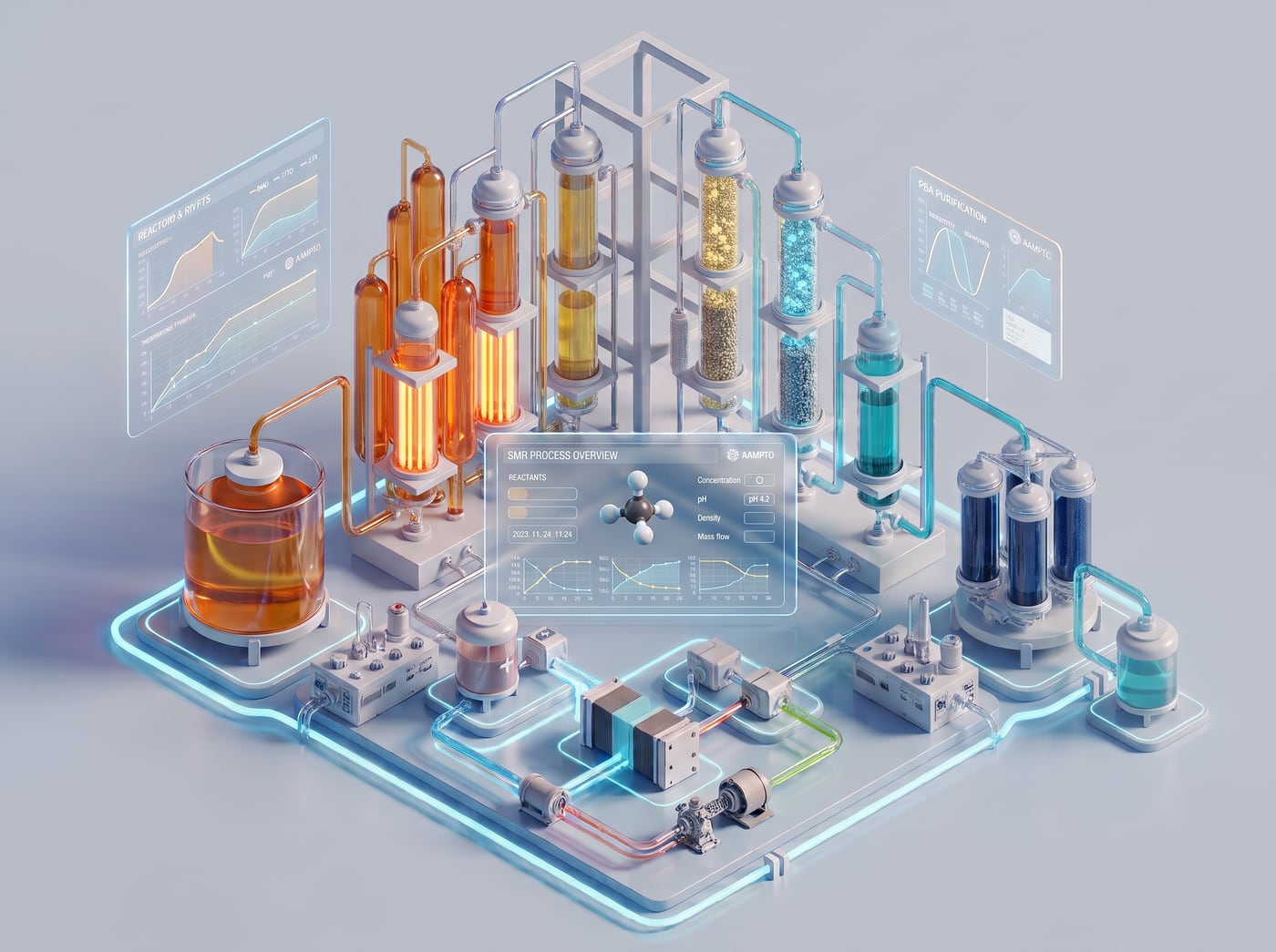
We design processes for clean energy production, detect process faults early, and ultimately aim for autonomous manufacturing.

  • Optimizing how clean energy is produced and stored to lower carbon emissions
  • Estimating quality that is hard to measure and detecting off-spec conditions early
  • Building autonomous manufacturing in which AI predicts, diagnoses, and optimizes on its own
Battery · Materials

Battery · Materials

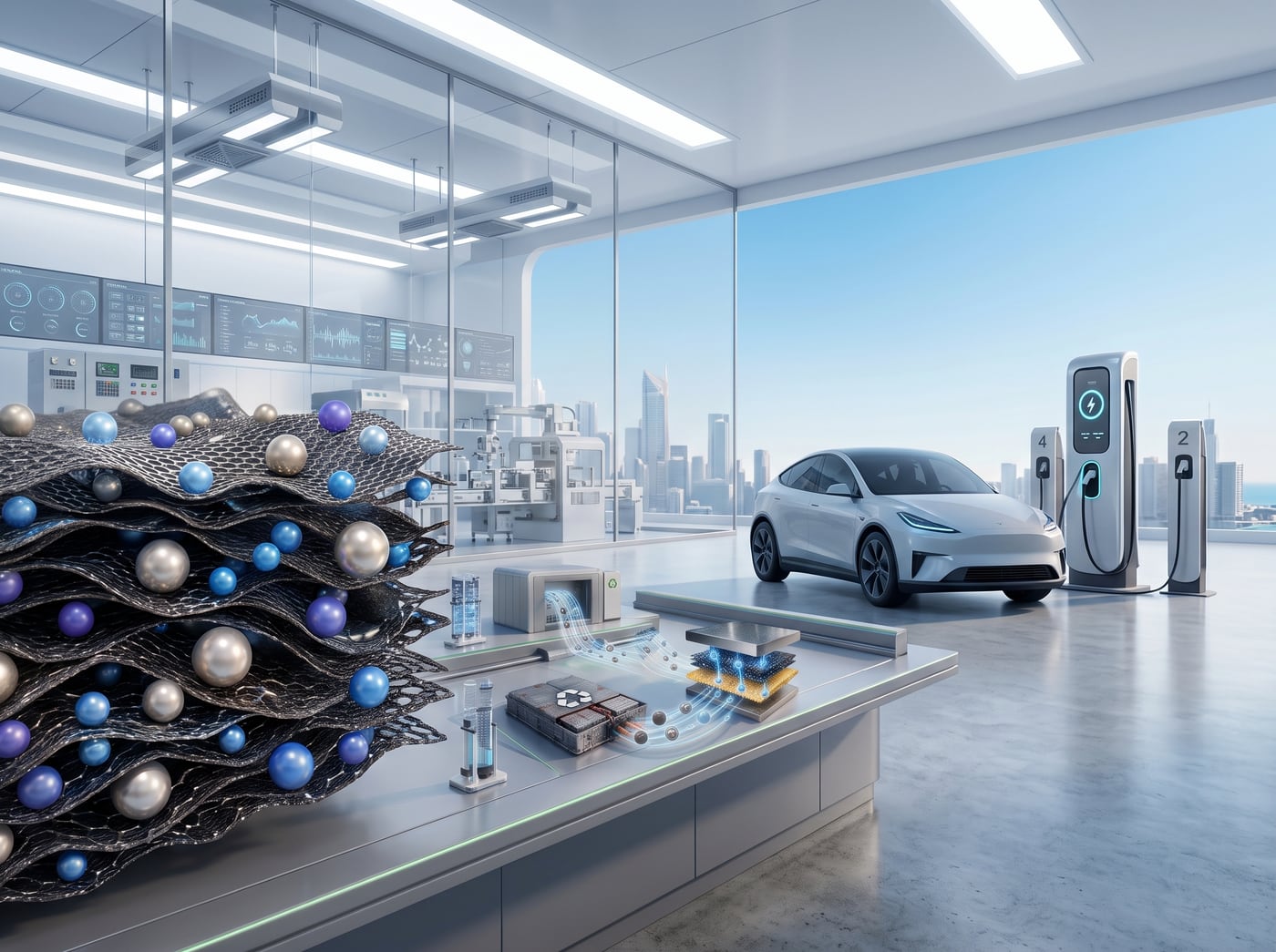
We work to understand how secondary batteries behave, monitor the health of batteries in service, and pave the way for discovering next-generation materials.

  • Modeling battery degradation and predicting remaining life with AI built on electrochemical principles
  • Monitoring the health of batteries in real time and detecting abnormal conditions early
  • Uncovering the relationship between the structure and performance of materials to propose new candidates to explore

JOIN US

Opportunities

We are looking for researchers from chemical engineering, materials science, computer science, or a related field who want to build AI that understands physical systems.